
8 July 2026
Moulin-à-Vent - the King of Crus with a Tender Heart
Moulin-à-Vent is Beaujolais at its most structured and its most complex - a wine that earns its reputation by asking you to wait
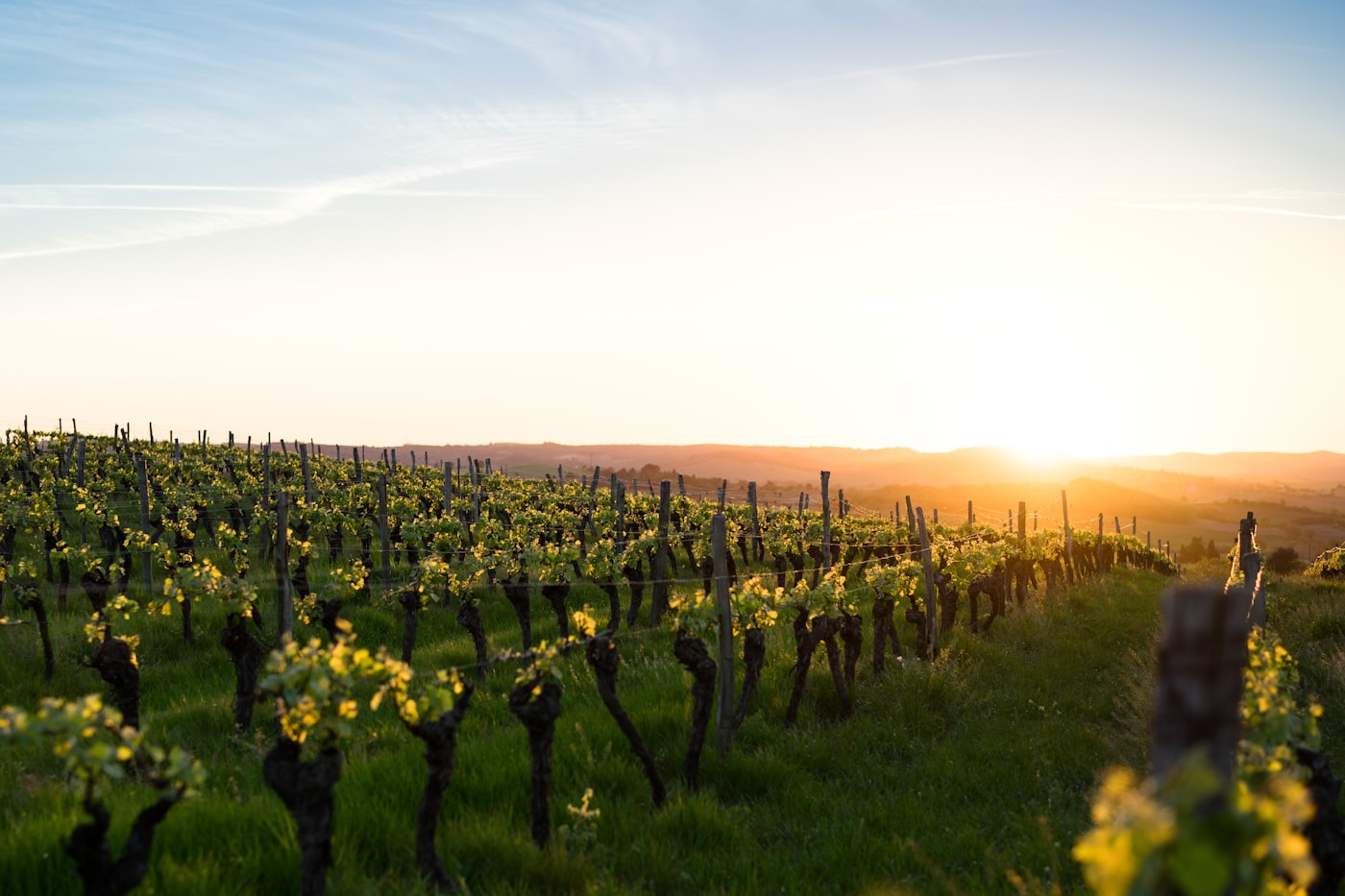
At the northern edge of the Beaujolais cru country, between the villages of Romanèche-Thorins and Chénas, stands an old stone windmill on a granite hill. It has not turned in centuries. Its sails are gone. But the name it gave to the appellation - Moulin-à-Vent, the windmill - has outlasted the mechanism, and the wines produced beneath it have outlasted the reputation of every other Beaujolais cru.
The windmill is, in fact, an appropriate symbol. A windmill transforms energy into something useful. Moulin-à-Vent takes the relatively modest Gamay grape and, through the specific alchemy of its soils, transforms it into a wine of structural complexity and ageing potential that regularly surprises those who encounter it without prejudice.
The Soil That Changes Everything
Understanding why Moulin-à-Vent produces the most Burgundian of all Beaujolais wines requires a brief detour into geology. The ancient granite bedrock that underpins most of the northern Beaujolais crus here takes on a particular characteristic: a high concentration of manganese oxide in the weathered surface layer.
Manganese is not, in most wine regions, a topic of conversation. In Moulin-à-Vent, it is practically theological. The pink-tinted, manganese-rich schiste that sits above the granite in the appellation's best parcels - the plateau and the hillside above Romanèche - does several things to the vine simultaneously. It restricts vigour, concentrating the plant's resources into smaller, more intense berry clusters. It gives the wines a mineral character that persists through ageing and resists easy description: chalky and slightly metallic, like the smell of stone after rain. And it appears to influence the tannin structure of the resulting wine in ways that give Moulin-à-Vent its characteristic density - tannic in youth, but resolving, over time, into the kind of silky but structured texture associated with Côte de Nuits Burgundy.
This is not just a marketing comparison. There is ample documented evidence of wine merchants in the nineteenth century labelling Moulin-à-Vent as Burgundy for markets that did not know better. The fraud was possible because the fraud was convincing. The resemblance was real.
The Ageing Argument
The question of how long to age Moulin-à-Vent reveals a person's wine philosophy more clearly than most questions do. Those who drink young, who value freshness and primary fruit, will find a young Moulin-à-Vent closed, even austere. Those who have seen what happens to this wine at five, seven, ten years will argue that opening it before four years is a category of waste.
The trajectory is well-documented. In the first two years, the wine's dominant characteristics are dark fruit - blackberry, plum, some black cherry - held behind a wall of tannin that does not yield easily. The manganese-derived mineral character is present but not yet integrated. The wine can feel almost severe to drinkers accustomed to the bright, immediately accessible style of southern Beaujolais.
Between years three and five, a transformation begins. The tannins soften into the fruit rather than surrounding it. The dark berry character shifts: blackberry becomes dried fig, black cherry becomes kirsch, and a secondary layer of earth, dried leaves, and forest floor starts to emerge beneath the fruit. The mineral character, now integrated, reads as a slight salinity on the finish - persistent and clean.
At seven to ten years, the finest Moulin-à-Vent enters its most complex phase. Leather, tobacco, truffle, and dark chocolate appear as tertiary notes while the fruit remains present, now dried and concentrated, like dark cherry in a reduction rather than fresh fruit in a bowl. The tannins, once a barrier, are now a framework - holding the wine's many dimensions in relation to each other without dominating any of them.
Premier Rendez-Vous - Structure with Intention
The name we gave to our Moulin-à-Vent - Premier Rendez-Vous - was chosen precisely for this quality of promise not yet fulfilled. A first meeting is not yet a relationship. It carries all the potential of what might become something significant, but the outcome depends on attention, patience, and a willingness to return.
The winemaking approach to Premier Rendez-Vous respects the terroir's natural impulse toward structure while preventing it from becoming forbidding. Whole-cluster fermentation contributes a spiced, slightly herbal thread that runs through the dark fruit. Maceration length is calibrated to extract depth without excessive tannin. Ageing in older oak - barrels used multiple times, contributing oxygen exchange rather than wood flavour - allows the wine to settle and integrate.
The result is a wine with presence. Not a showy presence, not the presence of volume or alcohol or concentrated fruit, but the presence of something that occupies its place in the glass with genuine authority. You notice it. You come back to it. By the end of the bottle, you understand why the name refers to a beginning rather than an arrival.
Pairings for the Season
Moulin-à-Vent is a wine for autumn and winter, and specifically for the richly flavoured, slowly cooked dishes those seasons produce. Its structure has a particular affinity for dishes built around long cooking and reduced sauces - venison braised with juniper and root vegetables, duck confit with lentils, wild boar ragù over wide pasta. The wine's tannins cut through fat and lock in with the concentrated flavours of a reduction in a way that lighter wines cannot.
Mushroom dishes occupy a special place in Moulin-à-Vent pairings. The wine's earthy, forest-floor tertiary notes pair naturally with the umami depth of ceps, morels, and chanterelles. A risotto of autumn mushrooms with aged Comté, or a simple omelette with fresh girolles and parsley, brings out the wine's secondary character with a directness that surprises. For cheese, aged Comté or Époisses are the classic Burgundian choices, but Moulin-à-Vent also has an affinity for blue cheeses - Fourme d'Ambert in particular - where the salt and fat of the cheese provide counterpoint to the wine's mineral structure.
The Tender Heart
The word "king" in the cru hierarchy is used seriously. Moulin-à-Vent has the longest ageing record, the most consistent critical attention, and the deepest connection to the traditions of serious French winemaking. But the king metaphor risks hiding what makes the wine genuinely moving: beneath the structure, there is the same Gamay that grows across all of Beaujolais, the same grape that produces light, joyful wines further south. The tenderness is there. The structured crus simply make you wait for it.
That waiting is the experience. The tenderness, earned through patience, is the reward.
→ Discover Premier Rendez-Vous
All journal articles