
24 June 2026
A Wine for Letting Go
Not every good wine requires contemplation — some are great precisely because they ask nothing of you in return
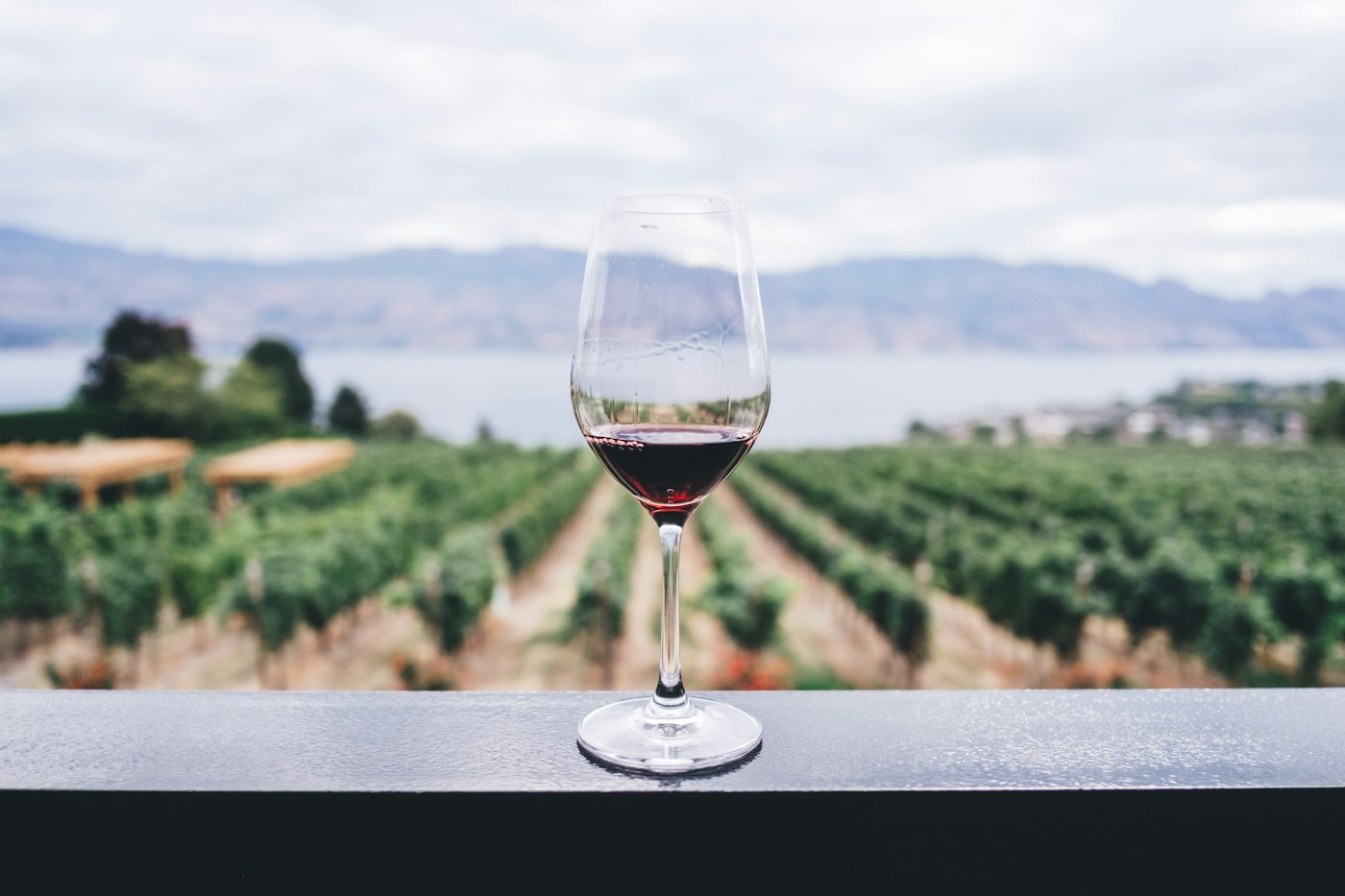
There is a category of wine experience that goes largely unwritten about, because wine writing tends to reward the difficult and the rare. The experience I am describing is the opposite: the wine you open on a weeknight without planning to, that turns an ordinary Tuesday into something you remember.
Rendez-Vous — our Beaujolais-Villages rouge — was made for exactly this. Not because it is a simple wine, but because it is a generous one, and generosity in wine means arriving without barriers.
What Pure Gamay Feels Like
Gamay is the grape of Beaujolais, and it is a variety that divides opinion among serious wine drinkers. Some find it too light, too fruity, too easy. Others find it precisely the thing they were looking for after decades of wines that demanded effort. The second group tends to have been drinking wine longer.
On granite and volcanic soils — the substrate beneath most of the Beaujolais-Villages appellation — Gamay expresses something that heavier soils prevent: pure fruit character, unmediated by tannin structure or oak influence, immediate and direct as a colour. The cherry note in a well-made Beaujolais-Villages is not the complex, layered cherry of a serious Burgundy. It is the cherry itself, the actual fresh fruit, picked in late summer when acidity and sweetness are briefly in perfect balance.
Rendez-Vous pursues this directness deliberately. The vinification uses semi-carbonic maceration in part, which preserves primary fruit character and keeps the tannins soft and approachable. No new oak. A limited time in tank to protect freshness. The wine bottled when it still has youth and vivacity, before it learns to be serious.
The Art of Not Overthinking It
Wine culture in the early twenty-first century has developed a peculiar anxiety about pleasure. We are told that appreciation requires knowledge, that the more you understand the better you will enjoy, that credentials and vocabulary are the passport to the best experiences. There is some truth in this — understanding geology does make a Morgon more interesting. But it has also produced a generation of wine drinkers who cannot open a bottle without performing their education.
Rendez-Vous asks you to stop. Not permanently, not even for the whole evening. Just for the first glass.
Pour it into a glass you have not polished. Serve it at around 14 degrees — slightly cool, not cold, not room temperature. Hold it by the stem because it is comfortable, not because you are evaluating it. Drink it while you are still deciding what to eat, or while you are cooking, or after dinner when the meal has receded and conversation has taken over. Notice that it is good. Do not take notes.
This is a skill, and it is undervalued. The ability to receive pleasure without analysing it is not the same as ignorance. It is a different kind of attention.
What to Put on the Table
Rendez-Vous belongs outdoors, on a wooden board, in the company of things that do not require cutlery. "Picnic wine" can sound dismissive. It is not meant to be.
A classic Lyon charcuterie spread gives it its ideal context. Saucisson sec, rosette de Lyon, coppa, a slice of pâté de campagne with a few cornichons and a piece of bread that still has some resistance in the crust. The wine's acidity works against the fat. Its fruit echoes the fennel and black pepper in the cured meats. The combination does not require explanation.
In the summer, the pairing territory expands. A simple tomato salad with good olive oil and basil. Grilled chicken thighs with thyme. A plate of fresh goat's cheese and figs. These are not technically demanding pairings. They are simply good food meeting good wine, which is the same thing.
For picnics specifically — the context where Rendez-Vous perhaps most honestly belongs — the wine should be packed with a small ice pack inside the basket, allowed to warm fifteen minutes before opening, and drunk from stems if you have them, glasses if you do not. The grass underneath you and the sun at the right angle are not optional accessories. They are part of the pairing.
Premium, Without the Ceremony
There is a distinction worth making between a wine that is premium and a wine that is ceremonial. Ceremony is a performance directed at observers. Premium is a quality intrinsic to the object itself, independent of the occasion.
Rendez-Vous is a premium everyday wine. The Gamay is sourced carefully, the vinification is precise, the result has genuine character. None of this requires you to open it at a special occasion. The quality is available on a Tuesday, in the kitchen, while the pasta water comes to a boil.
The name was chosen for a reason. A rendez-vous is not a grand gesture. It is an appointment, kept. A return to something you know will be good. That is what this wine offers: the calm confidence of a familiar pleasure, made well.
→ Discover Rendez-Vous
All journal articles