
10 June 2026
Fleurie — the Wine That Smells Like a Perfume
Among the ten Beaujolais crus, Fleurie is the one that makes you stop mid-pour and wonder whether you opened a wine or a flower garden
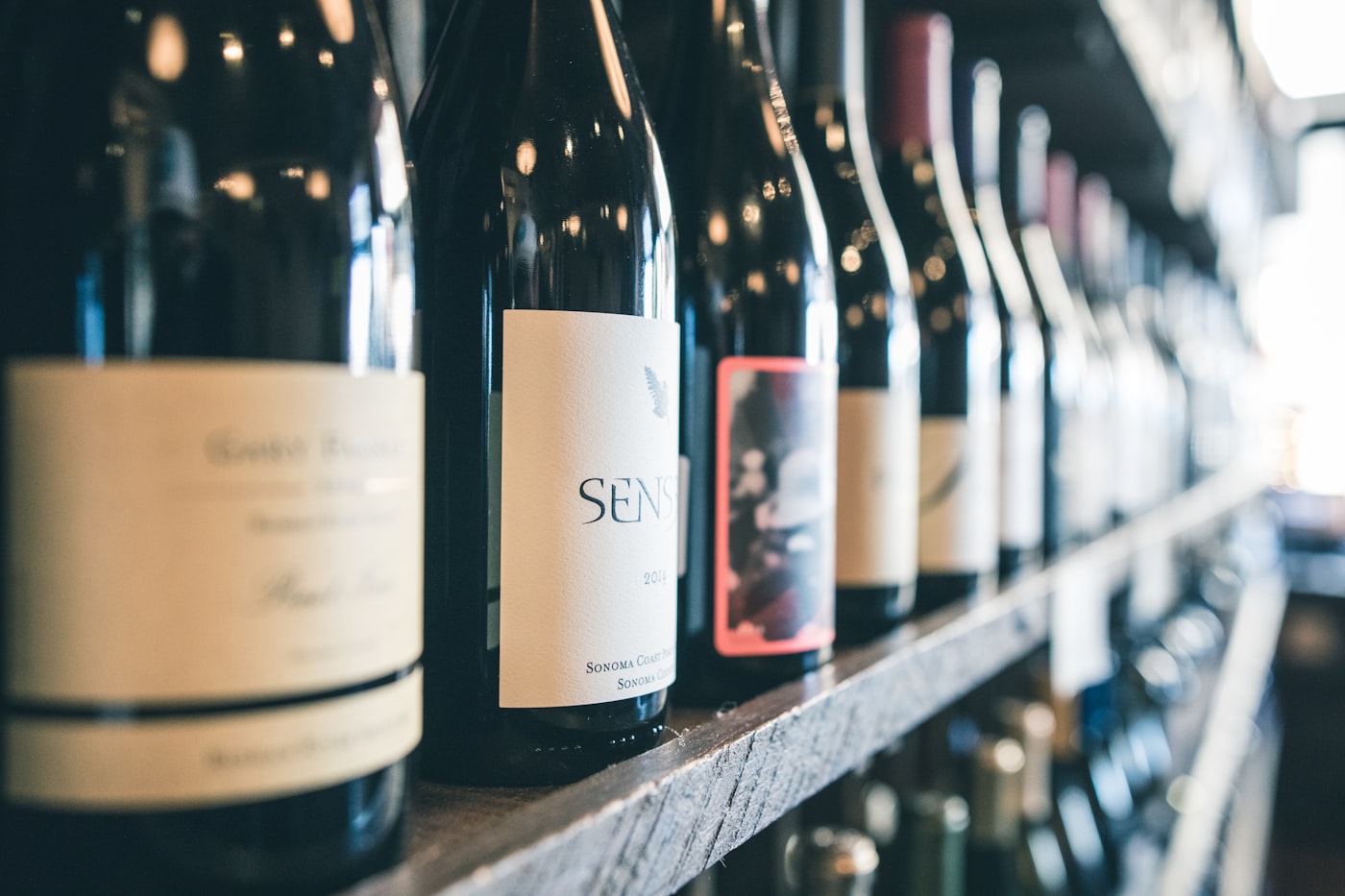
The name was always a promise. Fleurie — from the French for flowery — carries an expectation so specific that the wine almost cannot afford to disappoint it. Most wine names are geographic accidents, relics of medieval land surveys or family names preserved by bureaucratic inertia. Fleurie chose its identity deliberately, and the wine has spent centuries making good on the claim.
Among the ten recognised crus of Beaujolais, Fleurie occupies a particular emotional register. Moulin-à-Vent commands respect. Morgon earns admiration. Fleurie earns affection. There is something in its aromatic profile — the effortless, almost ostentatious display of flowers and soft red fruit — that disarms the analytical instinct and replaces it with something closer to pleasure for its own sake.
Pink Granite and What It Does
The terroir of Fleurie sits on a substrate of pink and grey granite, ancient and coarse-grained, that decomposes slowly into what geologists call arène granitique — a sandy, mineral-rich material that drains quickly and retains heat without holding excessive moisture. This granite is not the dense, hard rock of a mountain face. It crumbles at the edges. It releases its minerals gradually into the soil profile, where the vine roots find them over decades of slow penetration.
What granite does for Gamay is contentious among agronomists but consistent in the glass: it reduces the weight of the wine. Tannins grown on granite soils tend to be fine-grained, almost silky, lacking the grip and density that come from heavier clay or limestone soils. The fruit character stays primary and bright — it does not turn quickly toward earthy, savoury, or spiced notes the way Gamay can on volcanic soils.
In Fleurie specifically, the combination of granite and a relatively southerly exposure produces a Gamay of maximum aromatic expression. Skin contact during vinification extracts colour and fragrance without building tannin architecture. The result is a wine that opens immediately, fully, without the reticence of structure.
The Aromatic Profile: What You Are Actually Smelling
When you pour Bouquet Fleurie and bring the glass close, the first impression is floral — but not the generic floral of an inexact description. The specific flowers are identifiable. Violet arrives first, the cool, slightly powdery violet of fresh petals rather than dried. Behind it comes peony: a warmer, more enveloping note, the kind of fragrance that a florist's shop carries in the morning. In some vintages, a thread of rose water weaves through the two, adding an almost cosmetic quality that tips the wine into something genuinely perfumed.
The fruit follows and supports rather than dominates. Fresh raspberry — the small wild kind with a slight tartness — provides the backbone of acidity. Ripe strawberry adds sweetness without heaviness. In older vintages, the fruit shifts toward dried cherry and pomegranate, the flowers becoming more powdery and the overall character more concentrated.
On the palate, Bouquet Fleurie confirms everything the nose suggests. The entry is soft, the tannins barely present. They register as texture rather than structure, a gentle grip that gives the wine definition without force. The mid-palate carries the fruit and floral character in concentrated form. The finish is clean and medium-length, with a mineral thread that reminds you the wine grew in stone.
The alcohol is present but not dominant. This is a wine at 12.5 to 13 degrees that wears its degree lightly.
The Perfume Comparison
The comparison to perfume is not a metaphor borrowed for effect. Perfumers and sommeliers share a vocabulary for a reason: both disciplines describe aromatic compounds and their relationships. Several of the molecules responsible for Fleurie's characteristic fragrance — including rose oxide, beta-ionone (violet), and geraniol — appear directly in fine fragrance formulations. When a Fleurie smells like a perfume, it is because it contains, in organic form, some of the same building blocks.
The difference is that wine is dynamic. A perfume is fixed at the moment of formulation; a wine changes in the glass over an hour, in the bottle over years. Bouquet Fleurie at the moment of pouring is not the same wine thirty minutes later. The flowers soften. The fruit opens. A mineral note emerges from the background. This evolution is part of the experience — it is what separates a wine from a scent, and what makes the comparison ultimately insufficient.
What to Eat With It
Fleurie's aromatic delicacy creates a real constraint in pairing: strong flavours overwhelm it. This is not a wine for a heavily braised lamb or a smoked brisket. But within its register, the pairing possibilities are broader than the flower-and-raspberry impression might suggest.
Bresse chicken, served roasted with herbs and reduced butter sauce, is the canonical Fleurie pairing in Lyon's bouchons, and the logic holds: the wine's acidity cuts through fat while its fragrance echoes the herbal notes in the dish. Duck breast, prepared pink and served with cherry reduction, mirrors the wine's fruit character without competing with its floral personality.
The more unexpected pairing is with light Asian cuisine — specifically the aromatic registers of Vietnamese and Thai cooking. The floral components of a fish sauce-free preparation, the lemongrass and fresh coriander, the ginger-inflected broths, find a genuine affinity with Fleurie's aromatic profile. This is not a traditional recommendation, but it is an honest one, and restaurants in Lyon and Paris have been exploring it quietly for years.
Cold charcuterie — a simple Lyon sausage, a rosette, a slice of saucisson sec — works precisely because the contrast is welcome. The wine's lightness lifts the fat; the fat's richness makes the wine's fruit more vivid.
A Wine for the Evening That Took You by Surprise
Fleurie is the wine you open when you want to pay attention without being required to. Its accessibility is genuine rather than dumbed-down — it offers depth to those who look for it and pleasure to those who simply drink. That combination is rarer than it sounds.
→ Discover Bouquet Fleurie
All journal articles