
20 May 2026
Beaujolais Granite — Why the Rock Makes the Wine
The pink granite beneath Beaujolais is not merely a backdrop for viticulture — it is the author of every aromatic note the region is known for
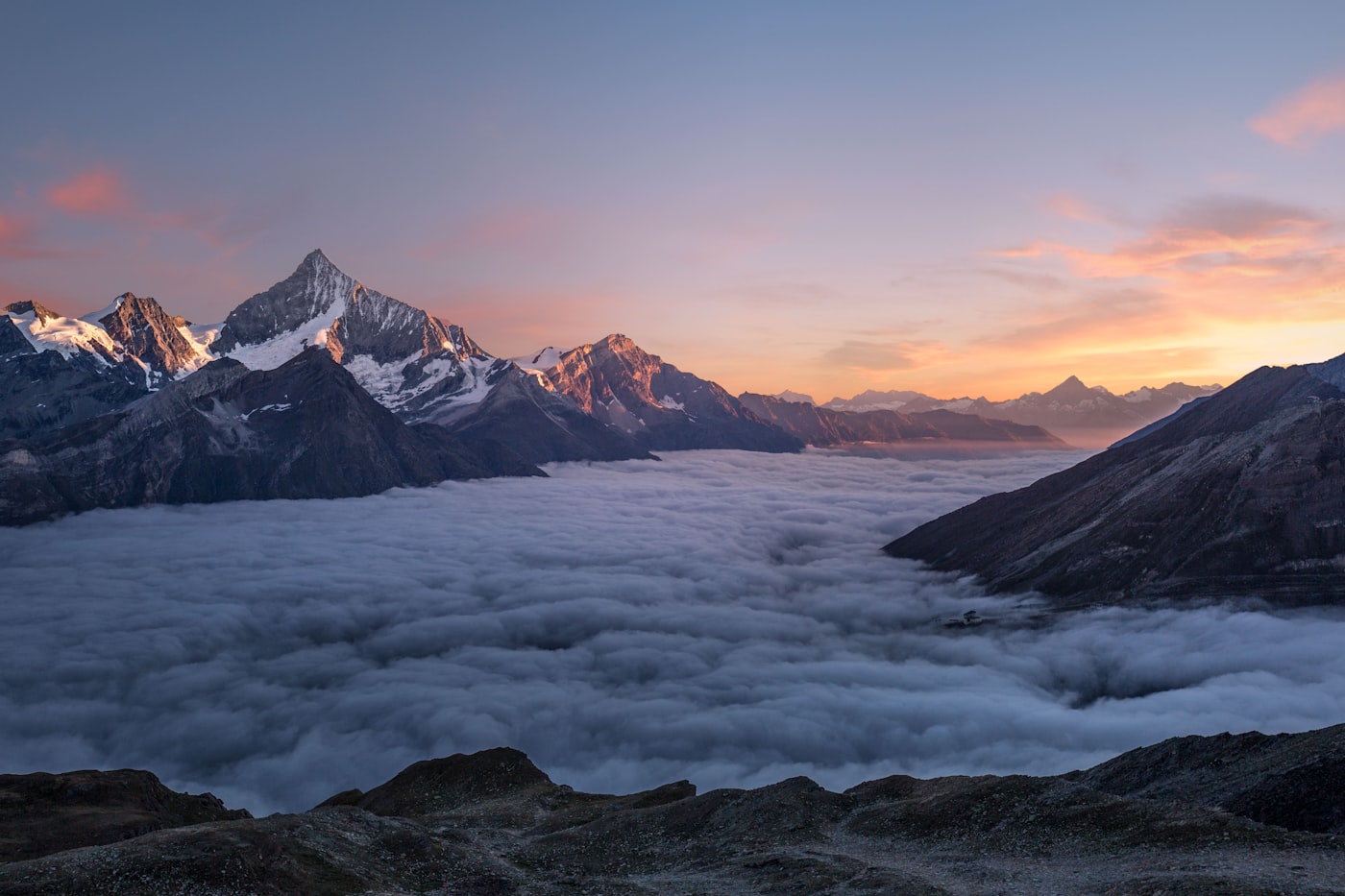
Wine is made in the cellar and grown in the vineyard, but it begins somewhere much older. It begins in the geology, in the rock that broke apart over millions of years and became the soil in which the vine eventually found its roots. In Beaujolais, that rock is granite — ancient, pink-tinted, coarse-grained — and its influence on the wines above it is more direct and more specific than most wine drinkers ever have occasion to consider.
Understanding Beaujolais granite does not require a geology degree. It requires a willingness to think about wine as something that has a literal physical origin, a birthplace that preceded the vine by two hundred million years.
What Granite Is and Why It Matters
Granite is an igneous rock — it formed when magma cooled slowly beneath the earth's surface. This slow cooling allowed mineral crystals to grow to visible size, which is why granite has that characteristic speckled appearance: the pink and white feldspar, the grey quartz, the dark flecks of biotite mica and hornblende. In Beaujolais, the dominant colouration is pink, from the high feldspar content, though the exact shade varies by location.
What matters for viticulture is not the colour but the behaviour of the rock as it weathers. Granite does not break down into clay, as limestone does. It breaks down into a coarse, gritty material called arène granitique — granite sand — with specific physical properties entirely different from the tight, water-retentive soils of Burgundy or Bordeaux.
Granite sand drains quickly. This is its most important characteristic for vine cultivation. When it rains in the Beaujolais, the water moves through the topsoil within hours, descending to deeper layers where vine roots find it during dry spells. The topsoil itself dries rapidly and warms quickly in sunlight. The vine roots, denied easy surface moisture, extend deep — sometimes several metres — in search of water and nutrients. This deep rooting is one reason Beaujolais wines from granite soils have the mineral character they do: the roots are accessing minerals from different geological layers simultaneously, combining the contributions of weathered granite, deeper granite, and the various mineral deposits between them.
Granite and the Aromatic Character of Gamay
The question of why granite produces the aromatic profile it does in Gamay is not fully settled by science, but the empirical evidence from decades of winemaking on these soils is consistent: Gamay on granite is more aromatic, lighter in tannin, and more texturally silky than Gamay on heavier soils.
Part of this is structural. The quick drainage and low nutrient availability of granite sand force the vine to produce smaller berries with higher skin-to-juice ratios. This concentration effect — fewer large berries, more small ones — increases the proportion of aromatic compounds and phenolics relative to sugar and water. The wine from these berries starts from a more complex raw material.
Part of it may be mineral. The feldspar in decomposed granite releases potassium as it weathers, which influences the acidity of the wine during fermentation. The quartz contributes a chalky, slightly saline minerality to the wine's texture that persists on the finish. These are not flavour notes in the conventional sense — they are textural and structural contributions that give granite-grown wines their characteristic feel.
And part of it is simply temperature. Granite sand warms more quickly in spring than clay soils, advancing the phenological development of the vine. It also radiates stored heat during cool nights, effectively extending the ripening window. The grapes that result tend to have excellent balance between sugar accumulation and acid preservation — a balance that produces wines of freshness and aromatic vivacity.
The Pink Granite of the Northern Crus
The granite of the northern Beaujolais crus — Fleurie, Moulin-à-Vent, Morgon, Chiroubles — has a distinctive pink cast that comes from the high proportion of potassium feldspar in the rock. This colouration is not merely aesthetic; the mineralogical composition of pink granite differs from the grey granite found in the southern appellations, with different weathering rates and different mineral release patterns.
In Fleurie specifically, the pink granite produces wines of exceptional aromatic delicacy. The rapid drainage prevents the accumulation of the heavier phenolics that produce dark, tannic wines. The surface temperature encourages early ripening. The result — a Gamay of violet, peony, and raspberry — is inseparable from the pink granite beneath it. You cannot make Bouquet Fleurie on limestone. The rock is not the setting for the wine; it is part of the wine.
Moulin-à-Vent complicates this picture. Here, a layer of manganese-rich decomposed schist sits above the granite, adding a mineral density and tannin structure that the granite alone would not produce. This is why Moulin-à-Vent ages differently and longer than Fleurie: the geology is more complex, and the wine reflects that complexity. Premier Rendez-Vous carries the granite's aromatic generosity combined with the schist's structural ambition — a combination that produces something genuinely distinctive.
The Contrast with Limestone
To understand what granite does, it helps to compare it with what limestone does. The great Burgundy appellations sit on Jurassic limestone, a sedimentary rock of marine origin with entirely different properties. Limestone is alkaline, calcium-rich, and drains at a moderate rate. It produces wines of greater weight, more pronounced tannin, and a different mineral character — the goût de terroir of great Burgundy is chalk-mineral, slightly austere, building in the glass rather than opening immediately.
Gamay on limestone would produce a fundamentally different wine from Gamay on granite: more structured, less aromatic, requiring longer ageing to resolve its tannins. Some Gamay is grown on limestone, in other regions, and the comparison is instructive. The wines are less immediately expressive, less florally aromatic, more cerebral. Whether that is better or worse depends on what you are looking for, but it is unambiguously different.
This comparison illuminates why Beaujolais built its reputation on a particular style. The granite demanded it. The quick-draining, fast-warming, aromatic-producing granite of the northern hills made wines that were bright, fragrant, immediately pleasurable — qualities that the limestone-trained palate sometimes dismissed as simple, but that represent a genuine expression of a genuinely distinct geology.
What Rock Teaches Us About Wine
The rock beneath a vineyard is not a passive substrate. It is a continuous contributor to everything that grows above it. When you taste a minerality in Rendez-Vous that you cannot quite name — something chalky and slightly saline that persists after the cherry fruit has faded — you are tasting granite. When Bouquet Fleurie opens with that immediate, almost explosive floral character, the pink granite is part of the explanation.
This is not mysticism. It is chemistry, biology, and two hundred million years of geology aligning to produce a half-litre of wine that tastes like the place it came from.
→ Explore our selection
All journal articles